Landscape photography can be defined as “outdoor images without any humans or animals in the photo” (https://www.landscape2art.com/what-is-landscape-photography.html). The idea is to “capture an image that embodies the spirit of the outdoors” (https://photographylife.com/landscapes/what-is-landscape-photography).
I love to look at landscape photographs, however, I personally find them difficult to take. I often find myself admiring the beauty of different landscapes as I drive, but when I pull over and try to capture the essence of what I am seeing, I fall flat. I feel that landscape photography is a skill that needs to be perfected. The more I research about landscape photography, the more I realize how time consuming it can be to capture that perfect shot. You may not require a lot of equipment, but it could take hours to try to photograph a perfect sunset and you can still not accomplish what you were hoping for if the weather/lighting conditions are not what you had expected. I found an interesting article from National Geographic that provide tips for landscape photography.
You can check it out here:
https://www.nationalgeographic.com/photography/photo-tips/landscape-photography-tips/#close
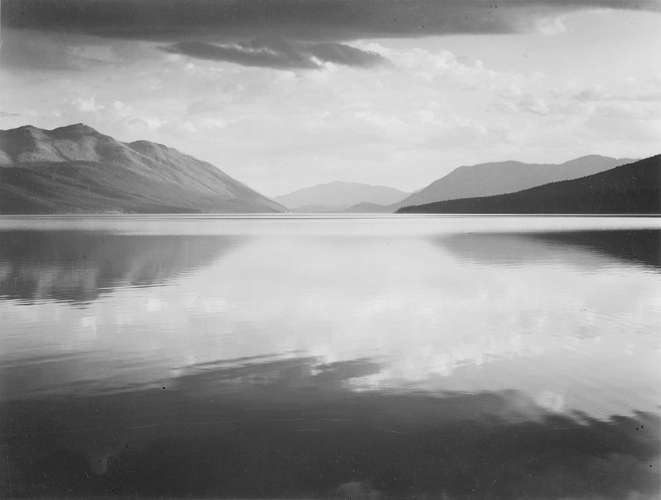
There are many landscape photographers that you can pull inspiration from. Ansel Adams is said to be “the most important landscape photographer of the 20th century”. He is known for his black and white images of the American West. He was an environmentalist and he used his work to promote the conservation of wilderness https://www.britannica.com/biography/Ansel-Adams-American-photographer).
Here is an example of his work:
Another amazing landscape photographer that I came across is Nadav Kander. His work is very different from Ansel Adams. Nadav has said, “My landscapes are not about nature. They’re about man and how we exist.” His photographs can be eerie and often show destruction caused by man. Here is an example of Nadav’s work. The photo was taken at a missile and nuclear testing site in Kazakhstan.
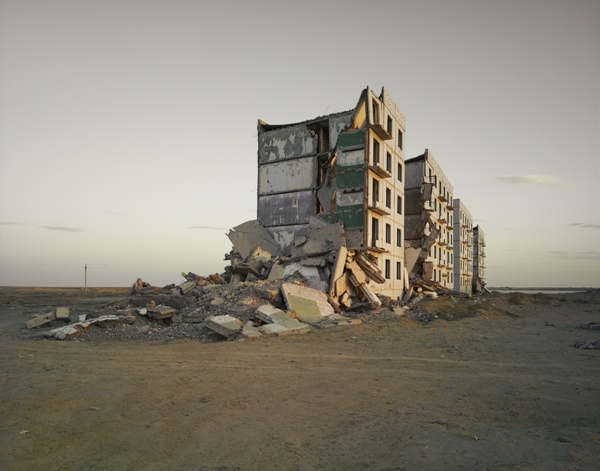
“I think I find great nourishment in choosing things that are possibly uncomfortable, thought-provoking or quieting and then photographing them in a quiet, beautiful, way” (Nadav Kander).
 Chrissy James